For years, Palazzina Masieri stood quiet along one of the most remarkable bends of the Grand Canal—its brick façade concealing a layered tale of unrealized ideas, interrupted visions, and evolving intentions. The story begins in the early 1950s, when young architect Angelo Masieri, a recent graduate of IUAV, travelled with his wife to the United States to commission Frank Lloyd Wright to design their home in Venice. The journey ended tragically, yet the family carried forward the wish to see a work of modern architecture rise in his name. Wright agreed to design not a private residence, but a student center. Presented in 1953 at the American Academy of Arts and Letters, the project was ultimately rejected by Venetian authorities—leaving behind the trace of a dream that never materialized.
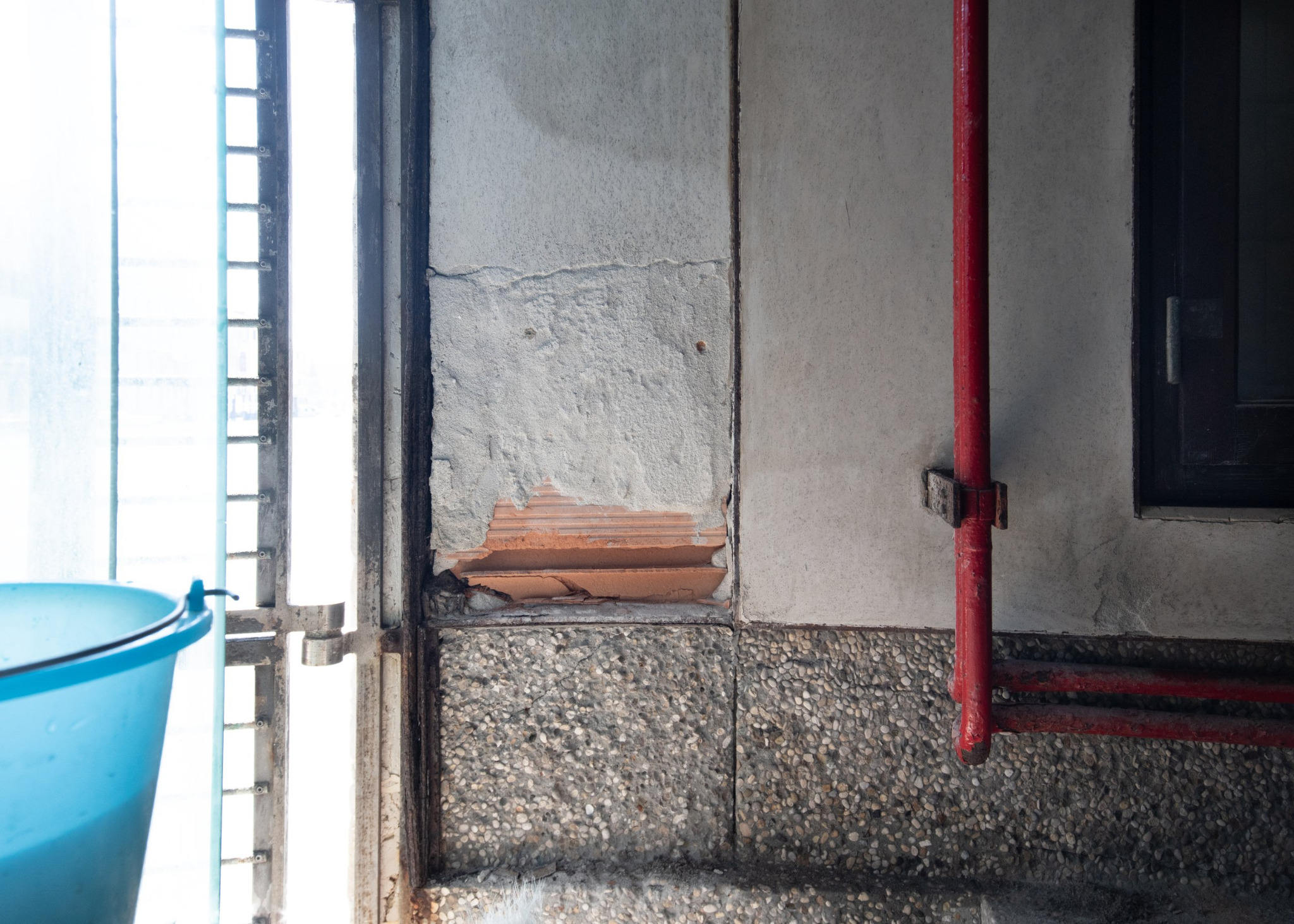
Years later, the Angelo Masieri Foundation entrusted the project to Carlo Scarpa, inviting him to navigate the delicate relationship between contemporary architecture and the historic fabric of Venice. Scarpa responded with a restrained exterior and a profoundly expressive interior, where light, materials, and spatial sequences unfold with his distinctive craft. Construction progressed slowly and concluded in 1983 under the guidance of Franca Semi, resulting in one of the most compelling interiors of twentieth-century Venetian architecture—admired, studied, yet increasingly exposed to the challenges of time.
In recent decades, the building faced the risk of slipping into permanent disuse. Its renewal began with a structured process initiated by the Foundation and developed with the contribution of Heritage Asset Management, founded by architects Roberta Bartolone and Giulio Mangano, in partnership with Galerie Negropontes. Their work began with a careful study of the building’s history, documents, and vulnerabilities—an essential foundation for imagining a sustainable future use that would restore the Palazzina’s cultural relevance.
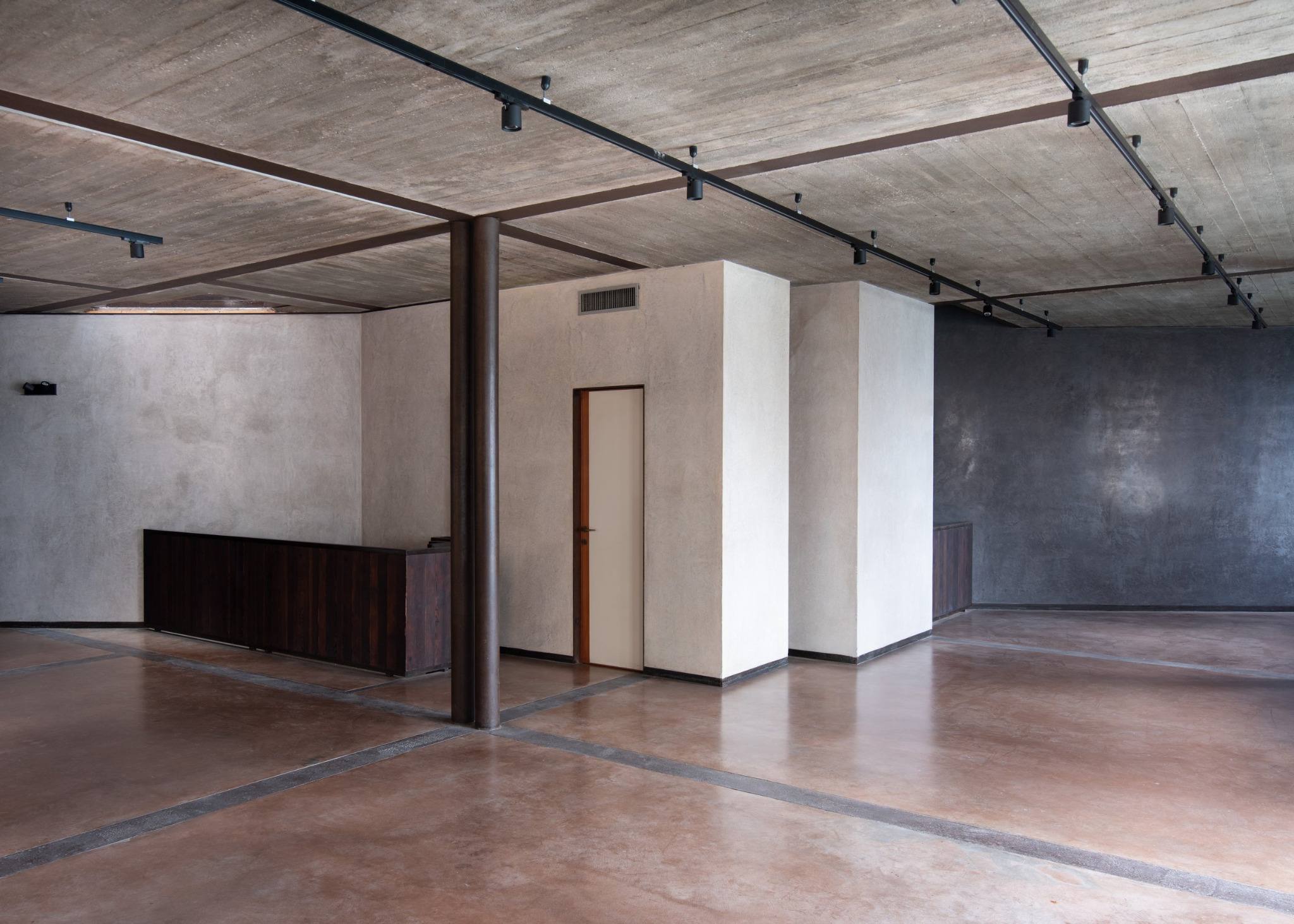
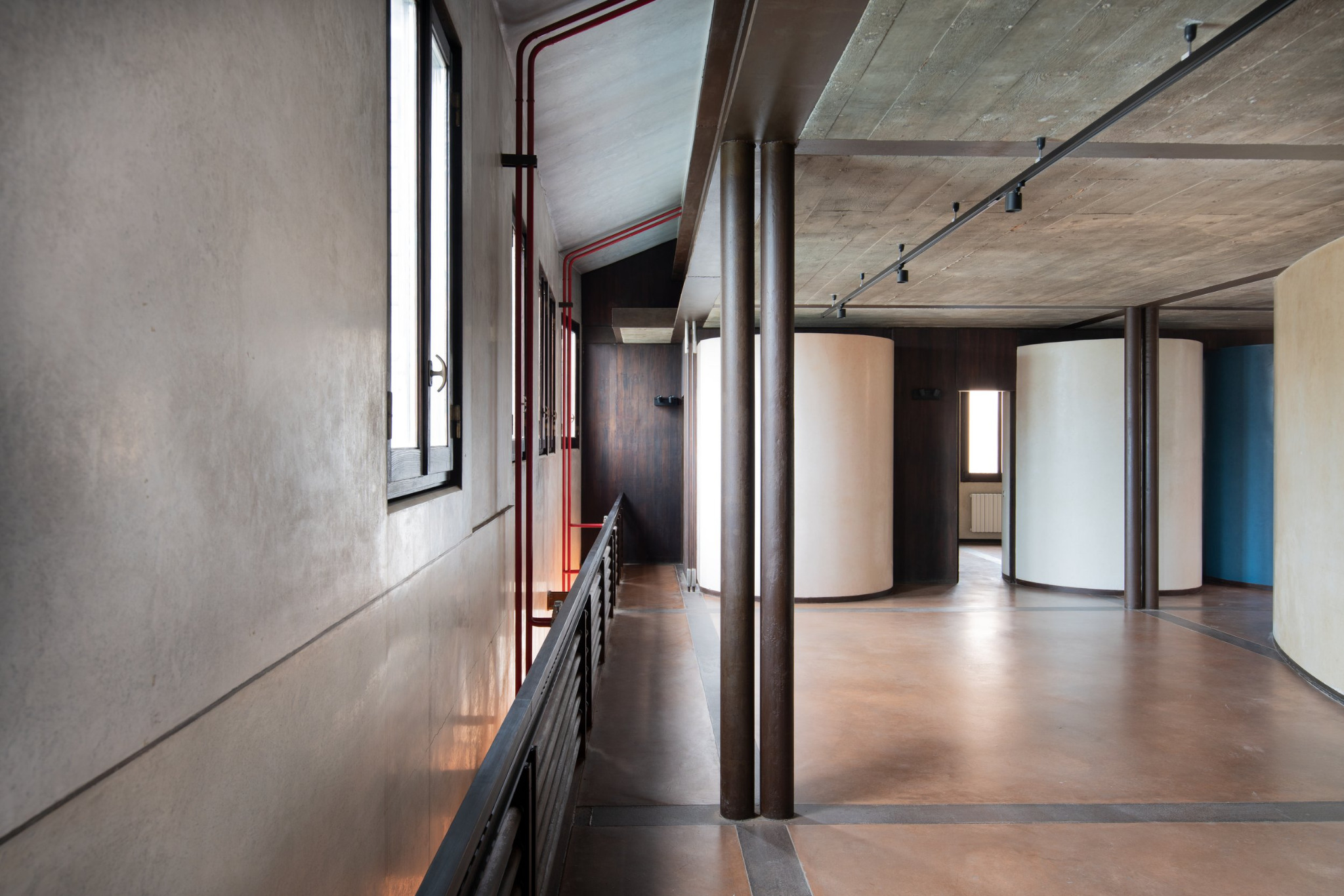
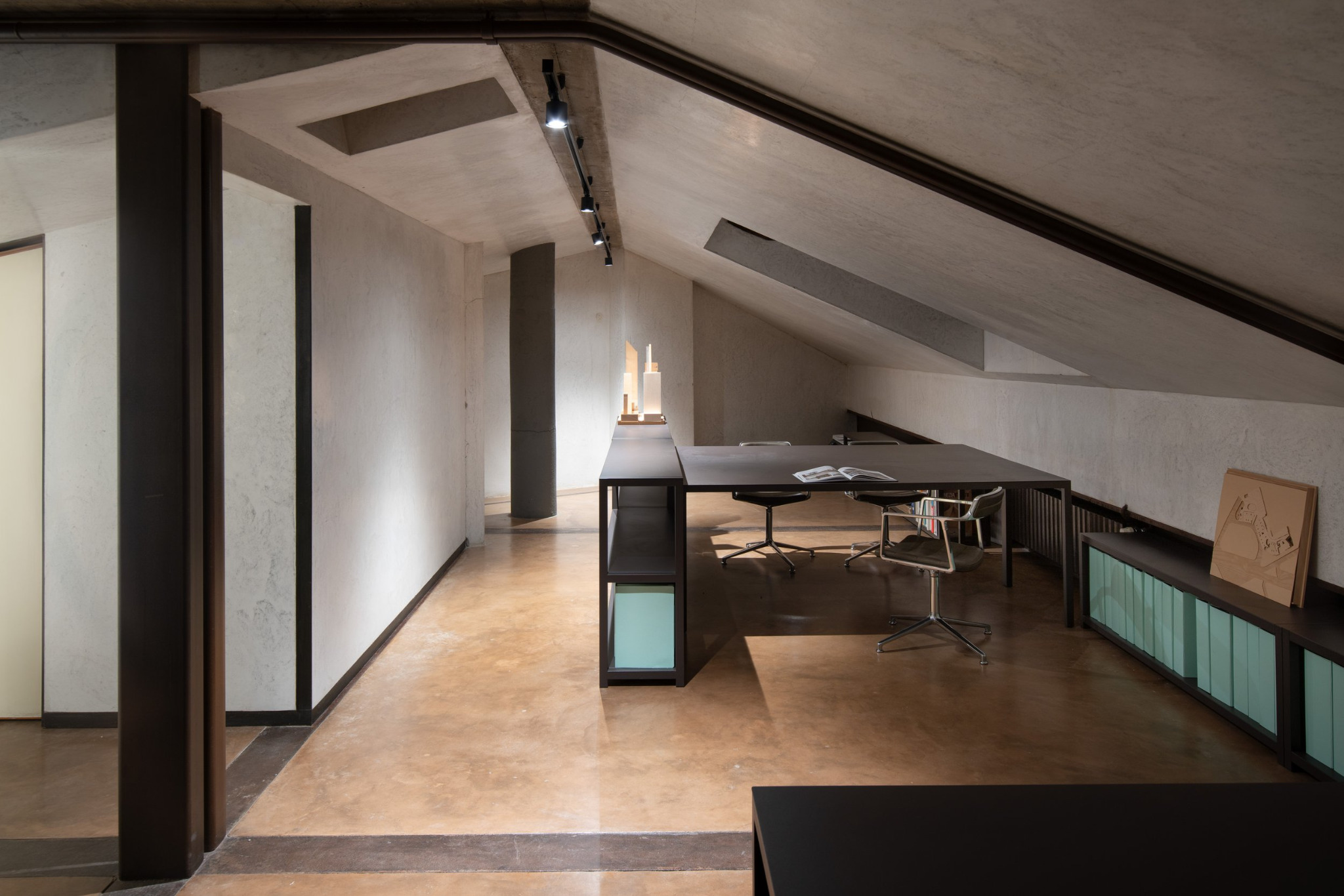
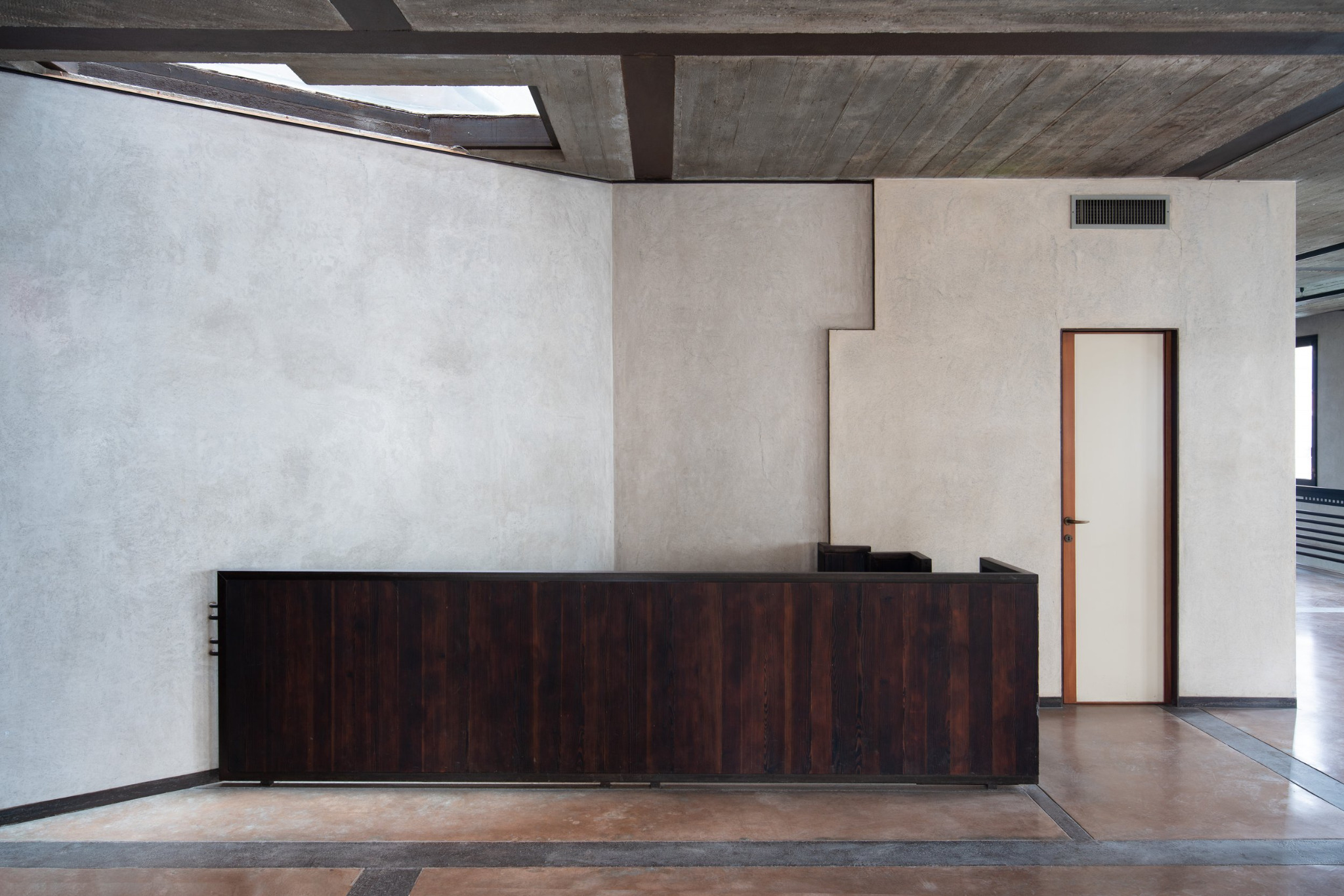
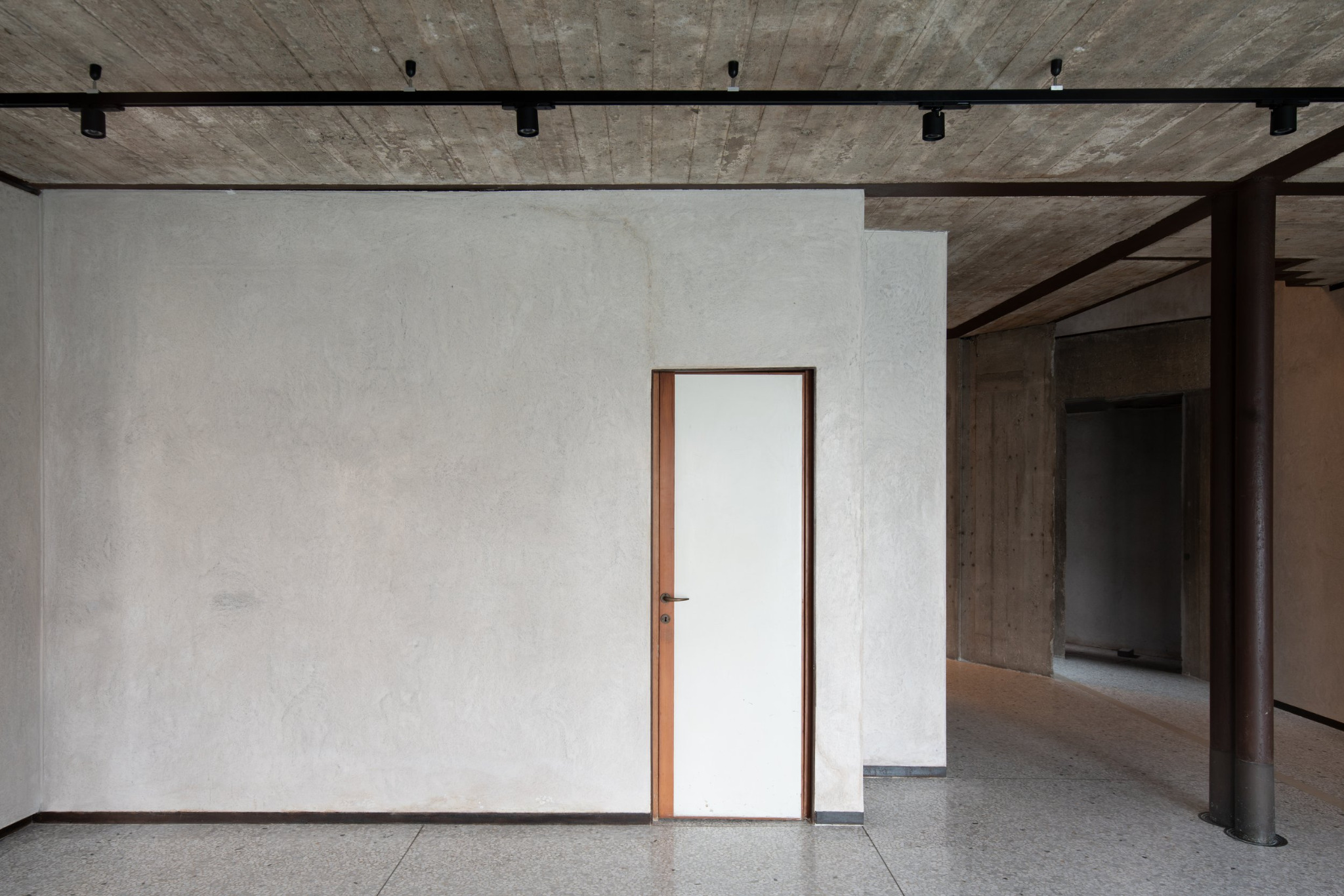
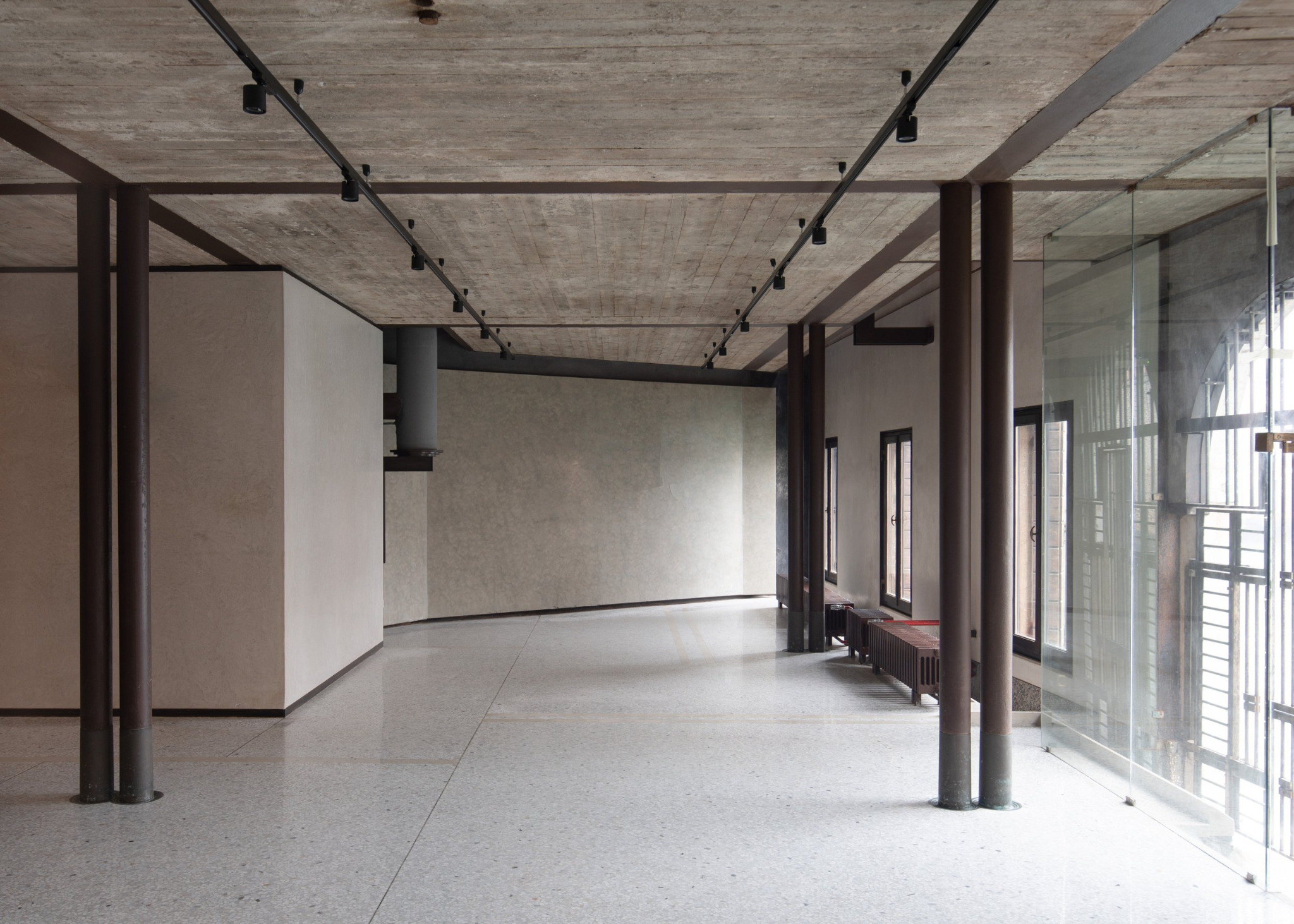
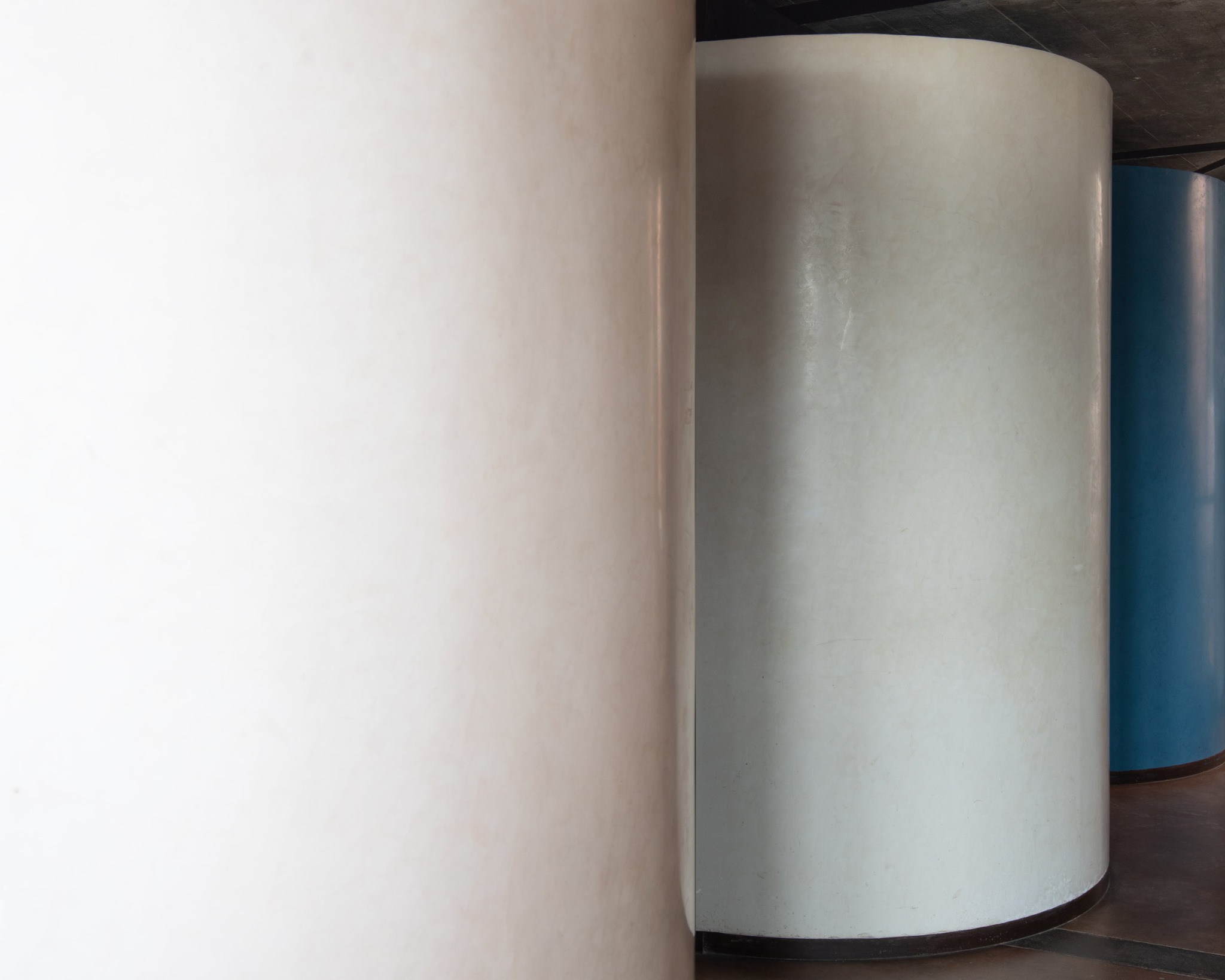
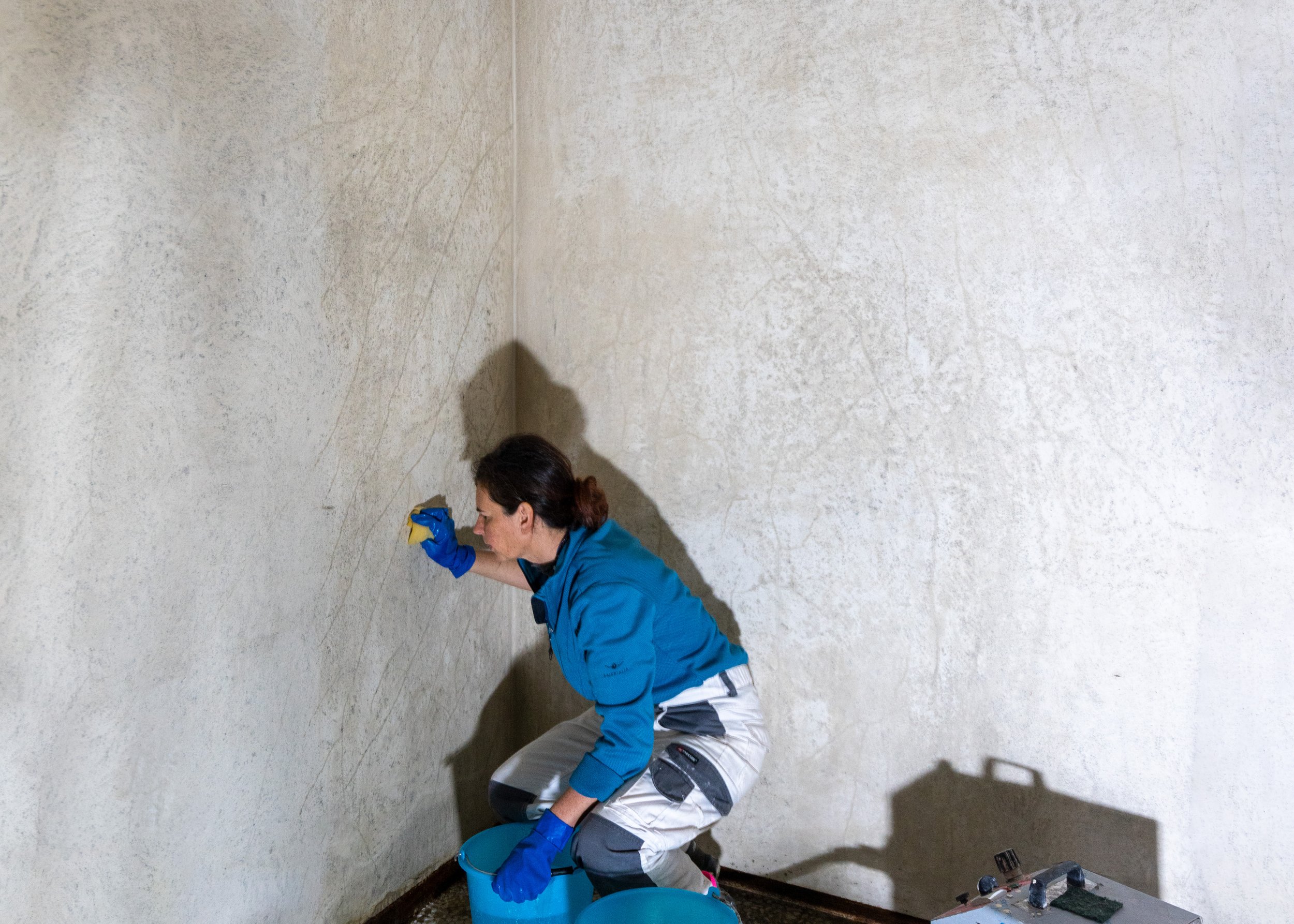
The restoration was entrusted to Barman Architects, led by Bartolone and Mangano, a studio with extensive experience in modern twentieth-century architecture and in managing complex interventions within historic contexts. Here, restoration was approached as an act of continuity rather than transformation. The lime-plastered surfaces affected by time and the 2019 acqua alta were brought back to their original sheen; terrazzo and pastellone floors were consolidated; iron and brass elements were carefully restored using traditional techniques. The glass vestibule, the distinctive radiators, and the fine interior details once again reveal Scarpa’s precise architectural language, free from superimpositions or reinterpretations.
Skilled craftspeople familiar with Scarpa’s materials and techniques—some previously involved in the restoration of projects such as the Olivetti showroom—played a crucial role. Their expertise allowed the work to reclaim the building’s integrity while preserving the subtlety and depth that define its identity.
With its reopening in 2024, Palazzina Masieri begins a new chapter. It returns as an open and active space where research, culture, and architecture meet—where memory engages the present, and where an essential work of twentieth-century Venetian architecture is once again part of the life of the city. The care dedicated to its study, design, and restoration reflects a broader commitment to accompany this landmark into a future that is thoughtful, sustainable, and shared.