MADONNA DELL'ORTO BELL TOWER

Theme of the Project: Restoration
Project year: 2023-2025
Client: Patriarcato di Venezia
Location: Venice, Cannaregio
Building height: 55 m
Restoration and Coordination: Barman architects
Site Manager: Roberta Bartolone
Construction Site Inspector: Enrico Rocelli
Structrures: W.E.I.'N Venice - Gianni Breda
Construction safety coordinator: Andrea Bondì
General Contractor: Lares SRL
Status: Completed
OUR TASK
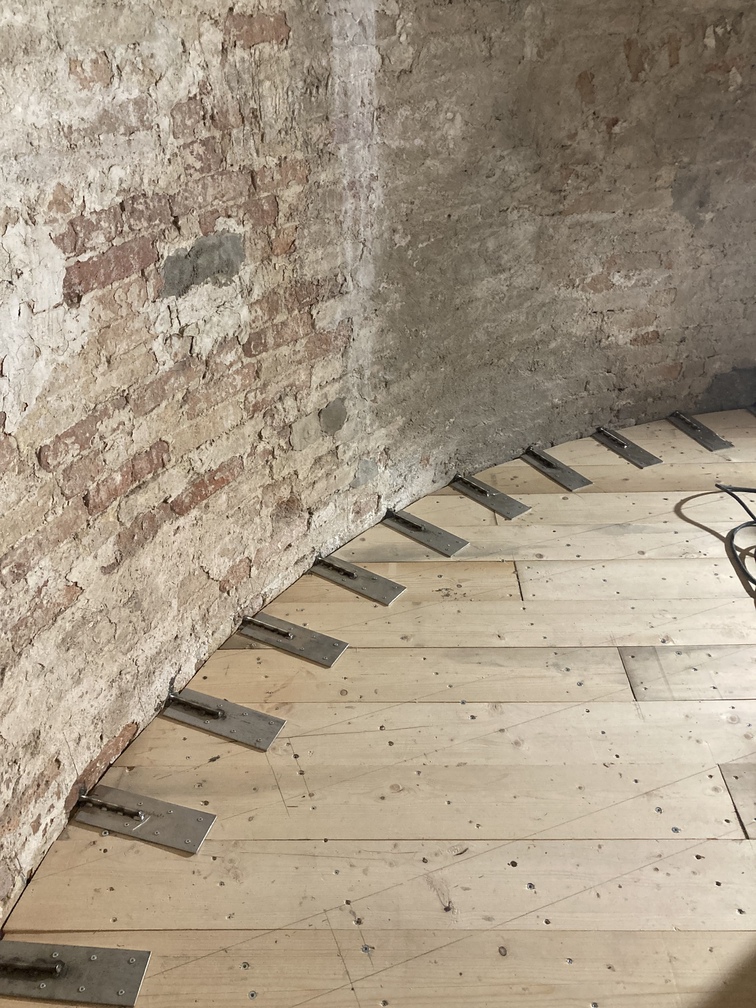
The project involved the seismic strengthening and restoration of the Campanile of the Church of Madonna dell’Orto in Venice.
Barman Architects took part in all phases of the project, from design development to on-site activities, acting as site manager throughout the construction process.
THE CONTEXT
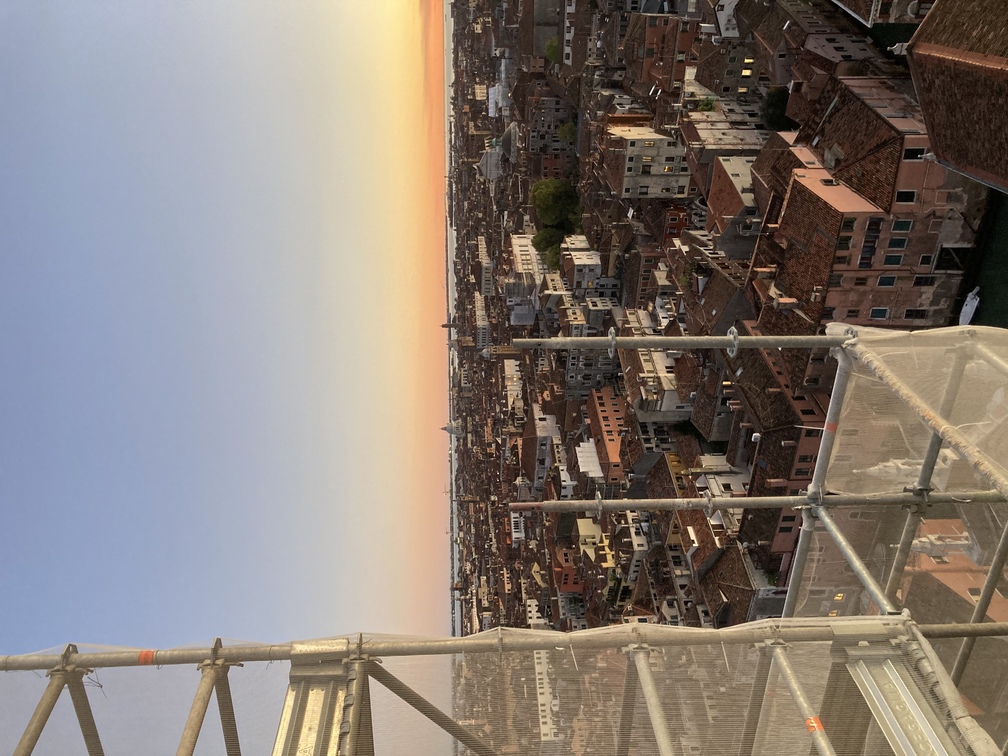
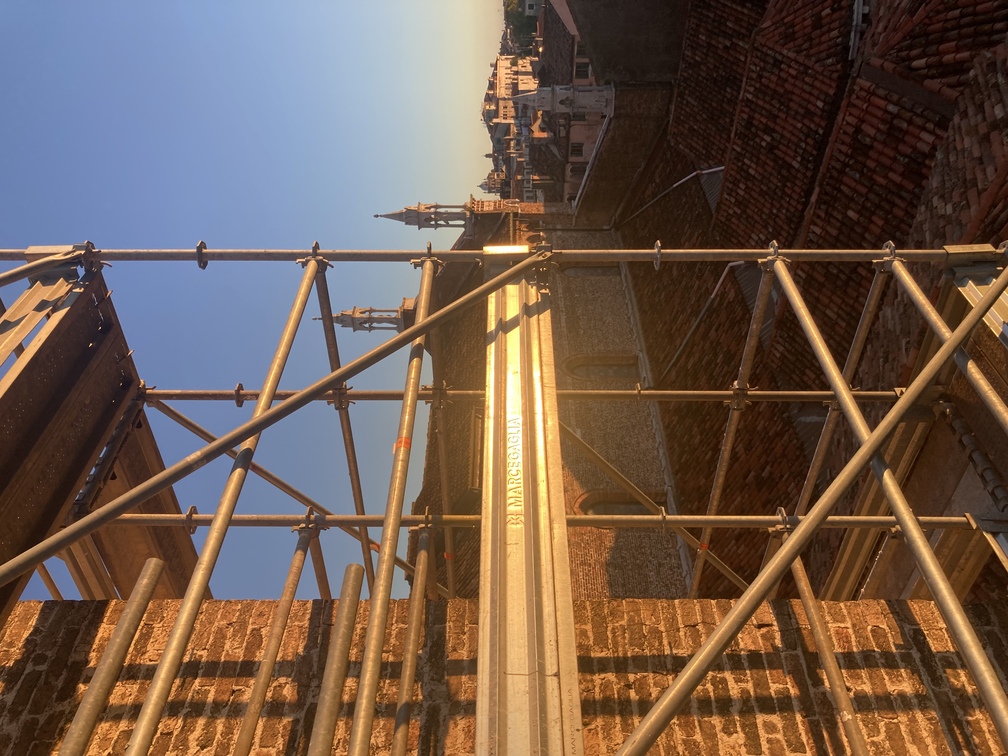
The Campanile of the Church of Madonna dell’Orto is one of the most significant buildings overlooking the northern edge of the Venice Lagoon.
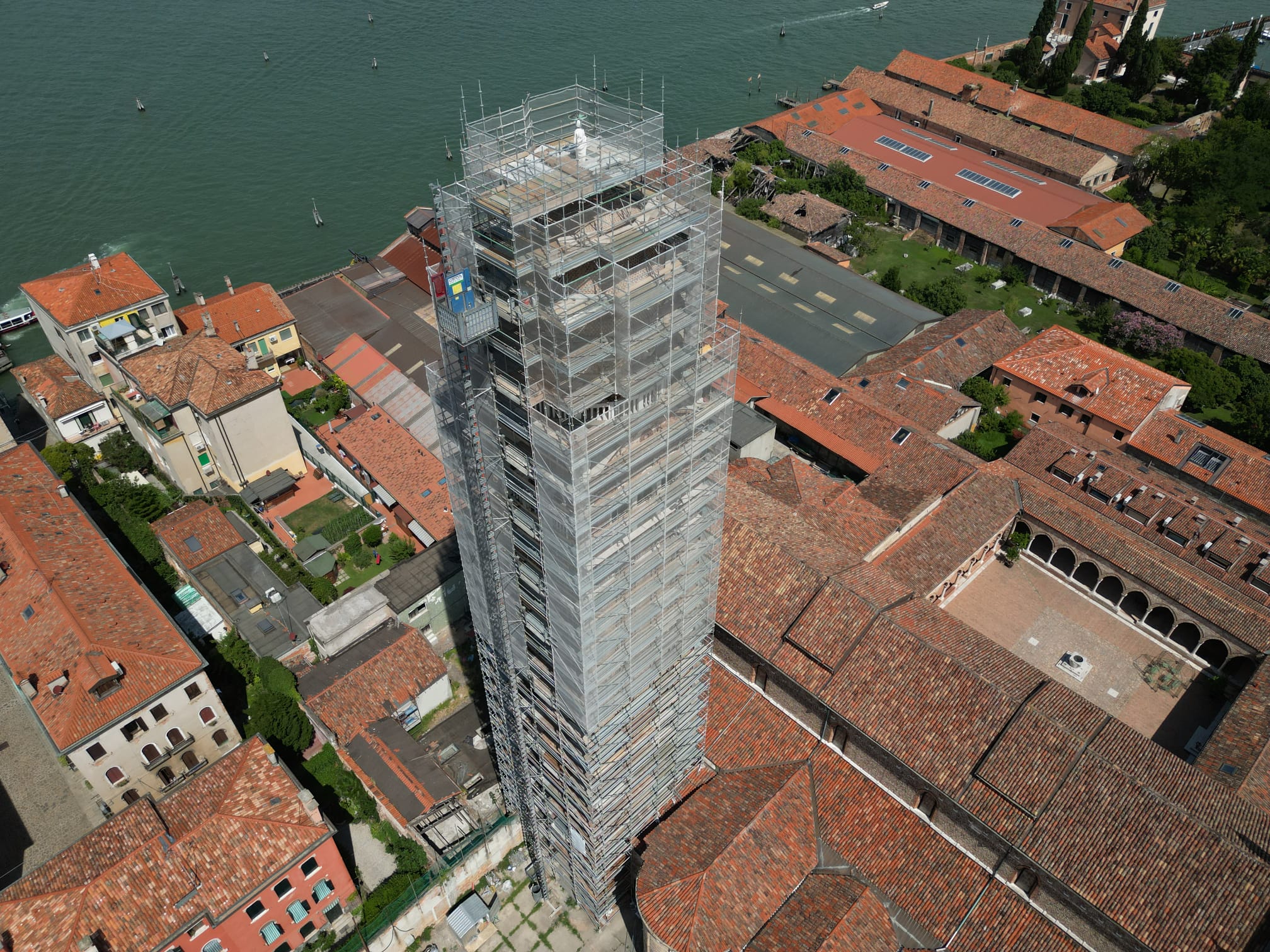
Rising to a height of 55 metres, the bell tower is not only a remarkable example of Venetian Gothic architecture but also a prominent landmark within the city’s urban landscape.
THE HISTORICAL BUILDING
Archival sources do not allow for a precise dating of the beginning and completion of the bell tower’s construction. Historical documentation regarding this structure—one of the most complete and significant examples of Venetian Gothic architecture—is relatively scarce.
It is known that shortly after the completion of the church, consolidation works on the foundations became necessary. These interventions began in 1399 and continued throughout the 15th century. Based on 16th-century views of the city, it can be assumed that the bell tower was completed around 1503, a date inscribed on a lead box containing relics that was discovered in the dome during restoration works carried out in the 19th century.
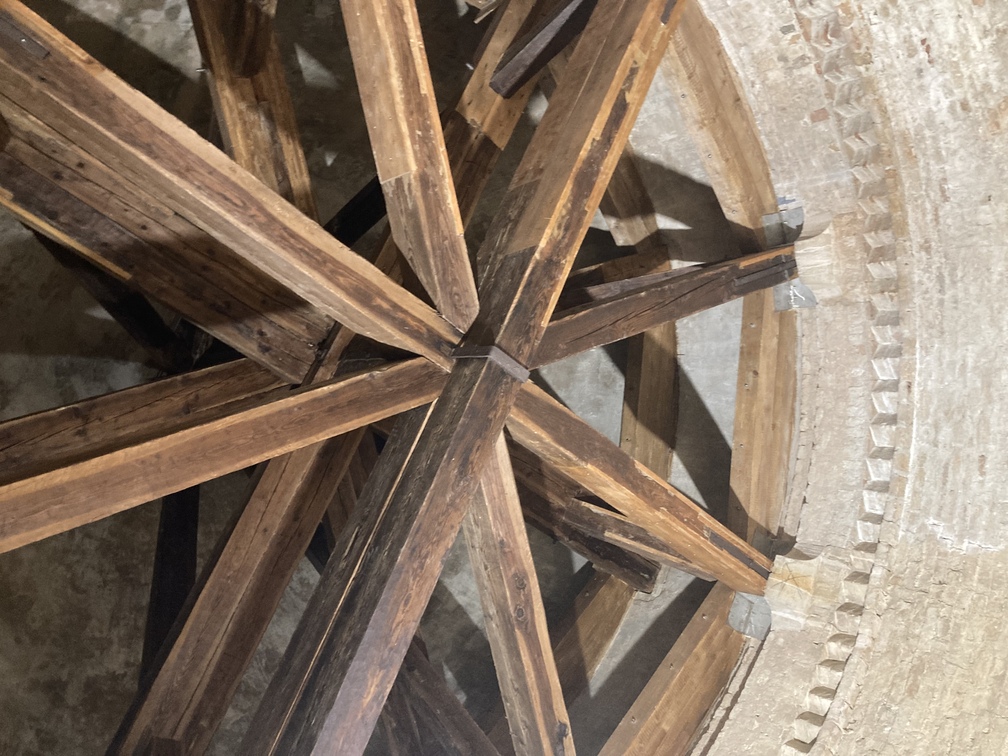
Located on the left side of the church, the bell tower represents a transitional phase between Gothic and Renaissance architecture. The dome, characterised by an oriental-inspired form due to the elongated springer of the segmented arch, rests on a cylindrical fluted drum featuring a walkway protected by a stone balustrade. The transition between the square shaft and the rounded upper termination is resolved through four curvilinear tympanums crowning the bell chamber.
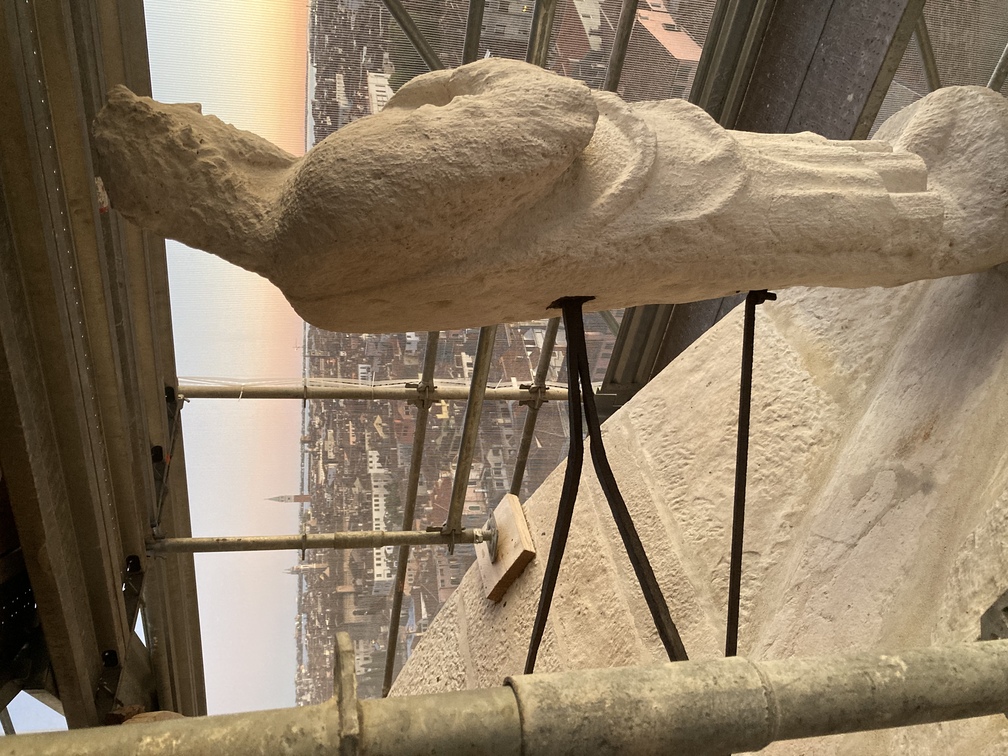
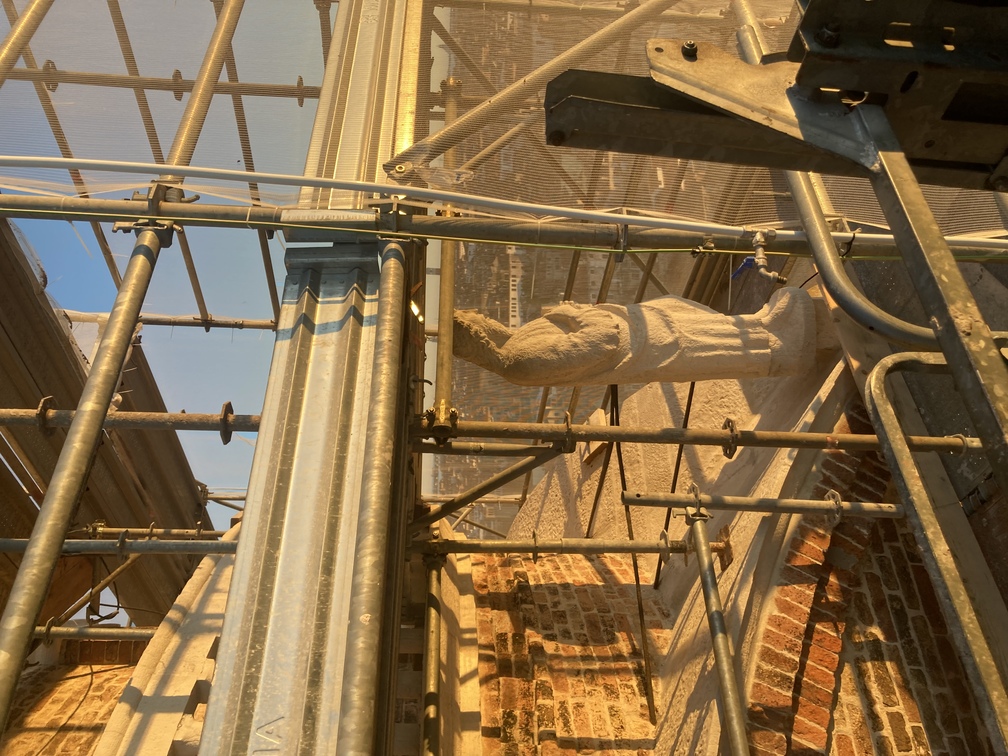
The stone structure of the bell tower is composed of several clearly identifiable architectural elements, including balustrades with handrails and small columns, pilasters and capitals, cornices, masonry blocks integrated into the wall fabric, and a sculptural group of five statues placed at the corners of the drum, depicting the Redeemer and the Evangelists.
THE PROJECT
The restoration and strengthening works successfully addressed a number of critical issues affecting the bell tower. These included the presence of cracks, excessive loads acting on the masonry, oxidation of the original tie rods, and the decay of the wooden structural elements.