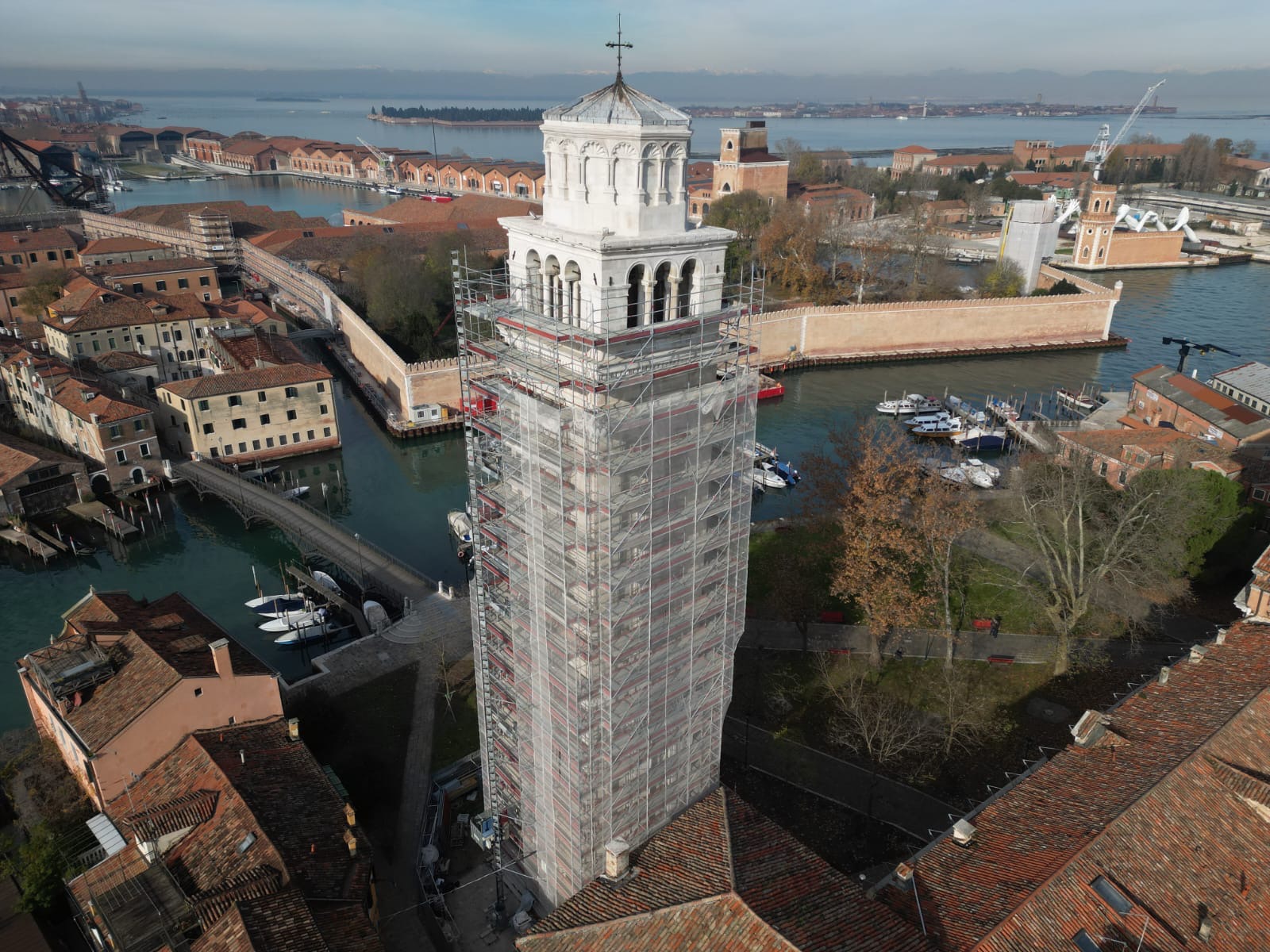
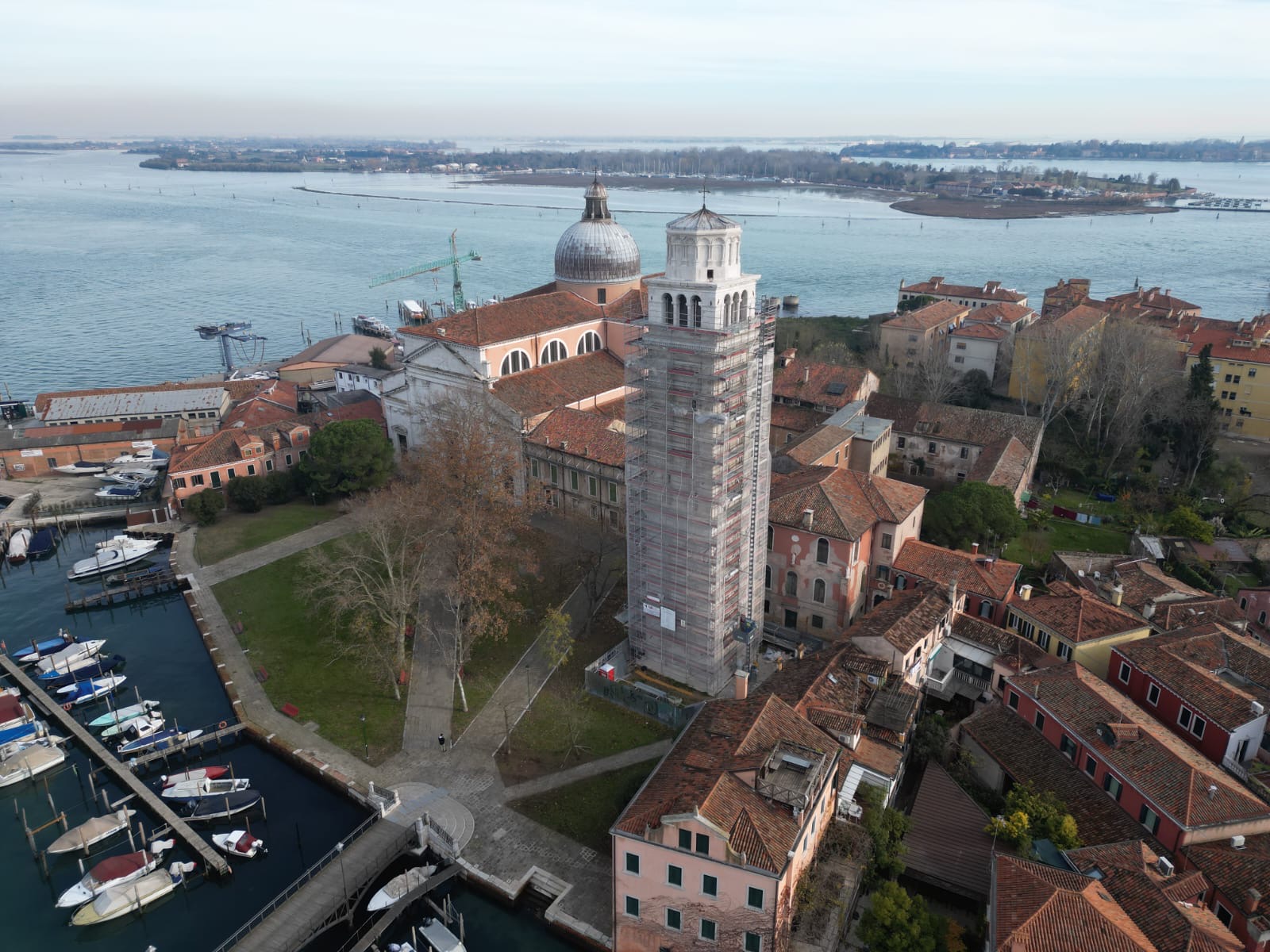
CAMPANILE DI SAN PIETRO DI CASTELLO

Theme of the Project: Restoration
Project year: 2023-2025
Client: Patriarcato di Venezia
Location: Venice, Castello
Building height: 46 m
Restoration and Coordination: Barman architects
Site Manager: Roberta Bartolone
Construction Site Inspector: Enrico Rocelli
Structrures: W.E.I.'N Venice - Gianni Breda
Construction safety coordinator: Andrea Bondì
General Contractor: Edilrestauri srl
Status: Completed
OUR TASK
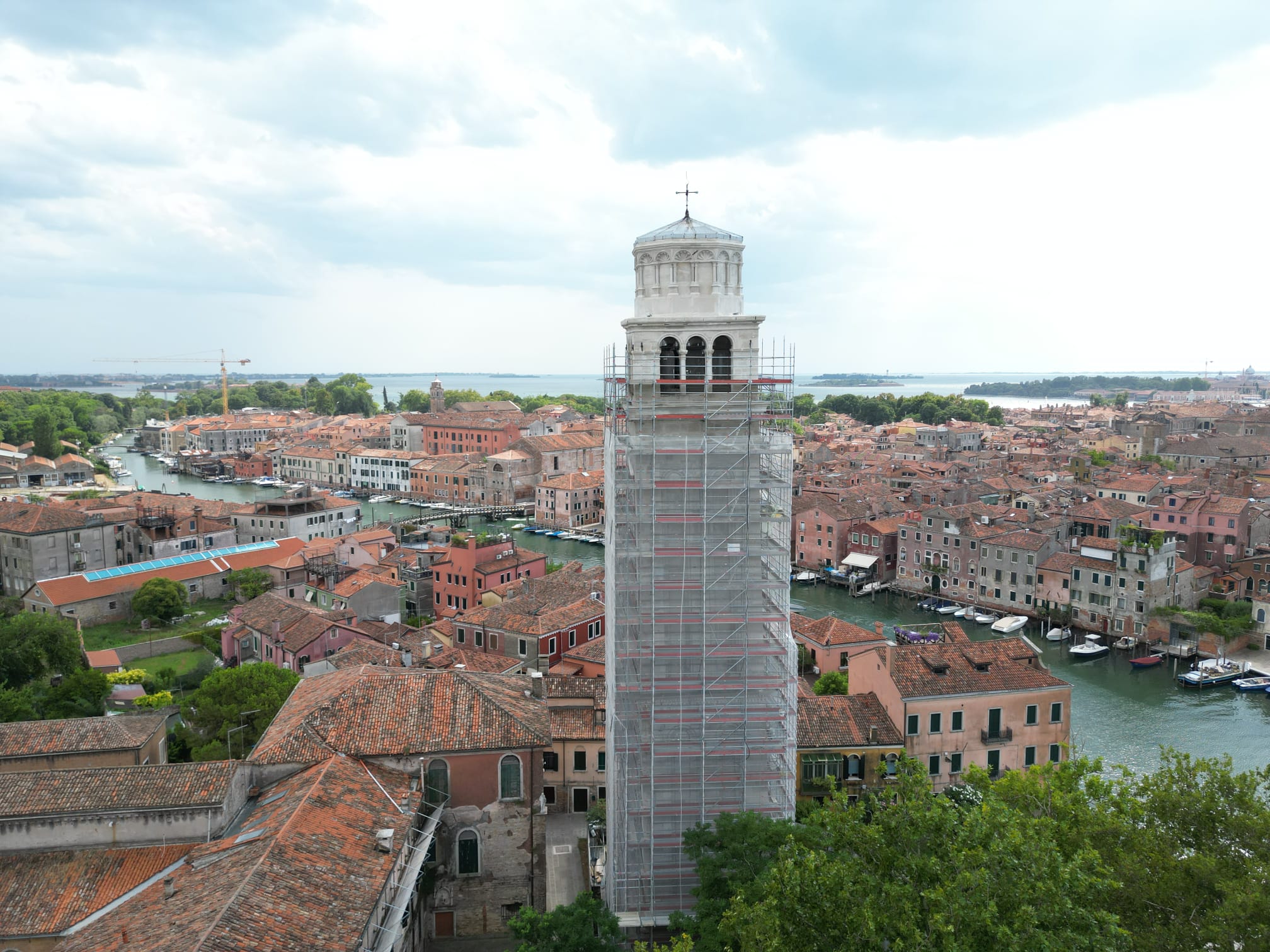
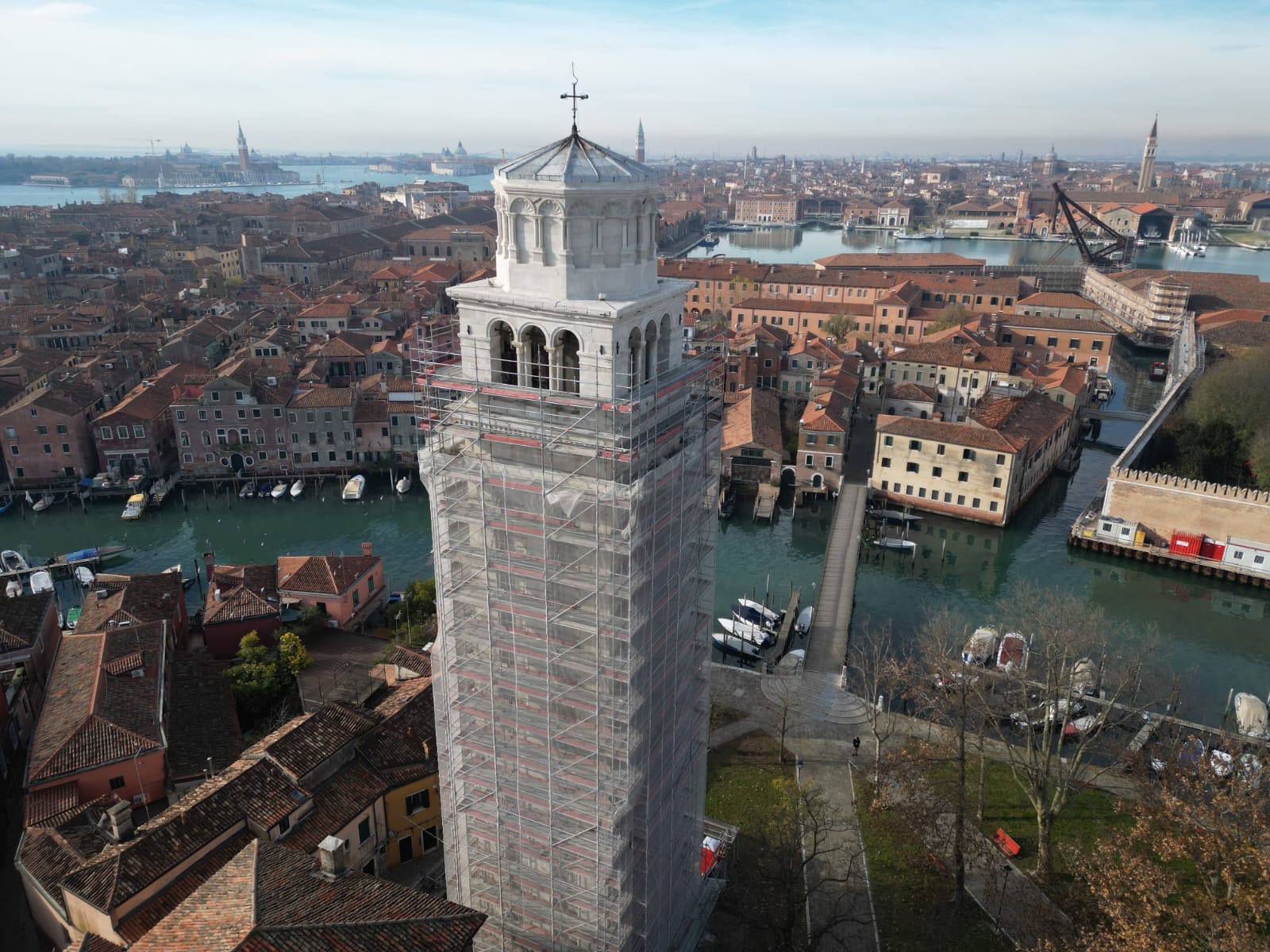
The project concerns the seismic strengthening and restoration of the bell tower of the Church of San Pietro di Castello in Venice.
Barman Architects was involved in all phases of the project, from design development to on-site supervision, acting as site manager throughout the construction process.
THE CONTEXT
The bell tower of San Pietro di Castello served as Venice’s cathedral belltower from 1451 until 1807. Prior to the designation of St. Mark’s Basilica as the city’s official cathedral, San Pietro di Castello held a central role in Venice’s religious and institutional life.
Over time, the church complex underwent significant transformations by leading architects, including Andrea Palladio, who redesigned the façade in 1594. The bell tower, however, remains an autonomous structure, attributed to Mauro Codussi and dating to a second reconstruction phase carried out between 1482 and 1490.
THE HISTORICAL BUILDING
The original bell tower collapsed in 1442 and reconstruction began in 1462. Historical records document a major renovation campaign between 1482 and 1490 following a lightning strike. The construction of the upper levels commenced in 1484, while works above the bell chamber began in 1488, including structural consolidation and interior finishing. These works culminated in the completion of the dome, originally clad in lead sheets.
Despite numerous interventions over the centuries, the tower’s structural system has remained largely intact. The only substantial alteration concerns the dome, which was replaced by a pitched roof in 1670 due to safety concerns. Restoration campaigns from the 19th century onwards are thoroughly documented.
THE PROJECT
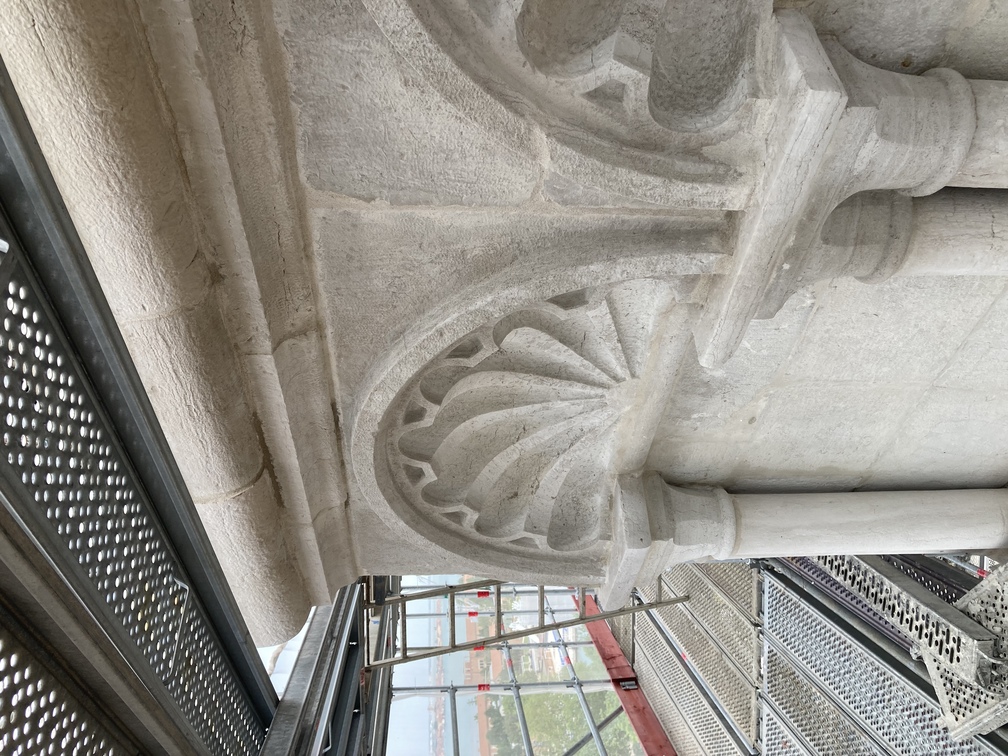
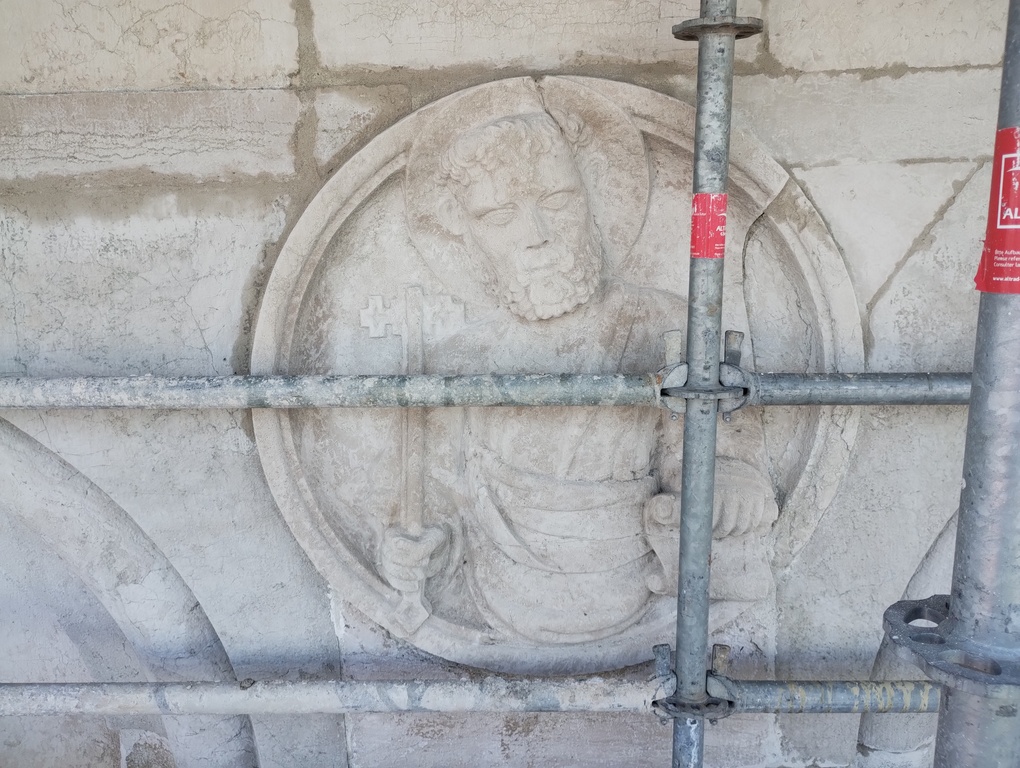
The project addressed a series of critical structural issues, including the tower’s out-of-plumb condition, widespread cracking, excessive loads acting on the masonry, corrosion of the original metal tie rods, and deterioration of the wooden structural elements. The interventions were designed to ensure structural safety while preserving the historic and material integrity of the monument.